The Beatles and their innovative production team at Abbey Road Studios, led by George Martin, saw no shortage of technical advancements during their legendary run from 1963 to 1970, when they disbanded.
That said, their final record, Abbey Road, was recorded well before the popularization of digital recording, and as such, they never used some of the brilliant plugins that producers today have access to. It leads one to wonder, “If the Beatles were so successful without these plugins, do I even need them at all?” So in this article, I’m going to list the top 5 plugins the Beatles never used, meaning you probably don’t need them.
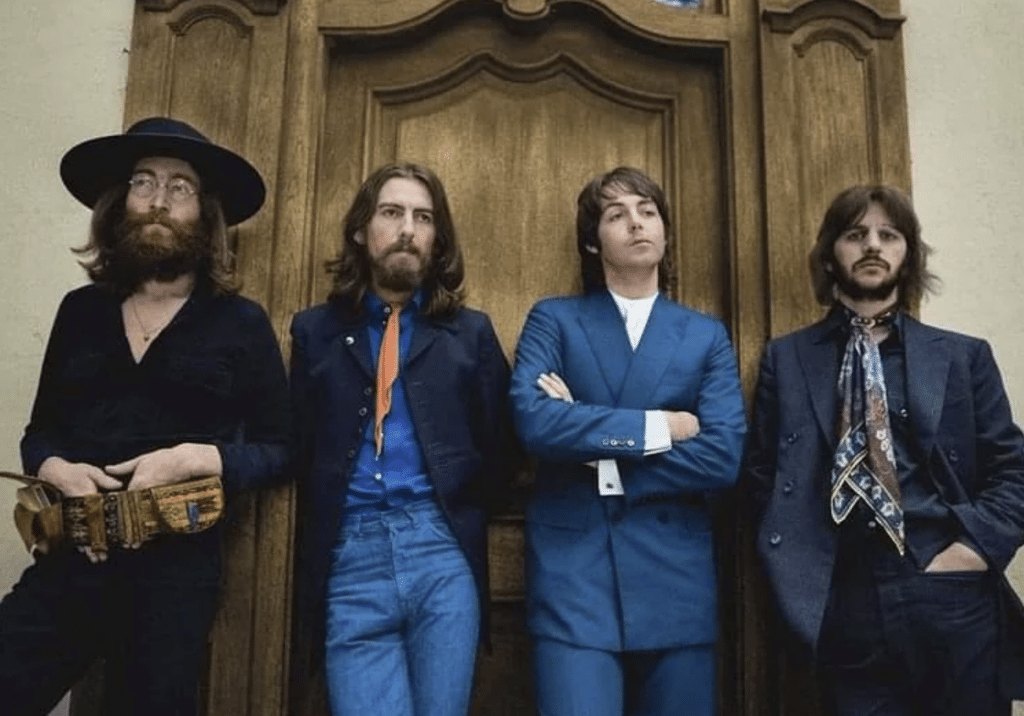
August 22, 1969: The last known photo of all four Beatles together, taken well before any of the plugins in this article existed.
oeksound soothe3
Each iteration of soothe, the resonance suppressor from Finnish company oeksound, has improved immensely. Excellent for taming harshness on everything from vocals, to guitars, cymbals, and even during mastering, the original soothe debuted in 2016, decades after The Fab Four broke up, meaning they got along fine without it. Maybe you don’t need it either.
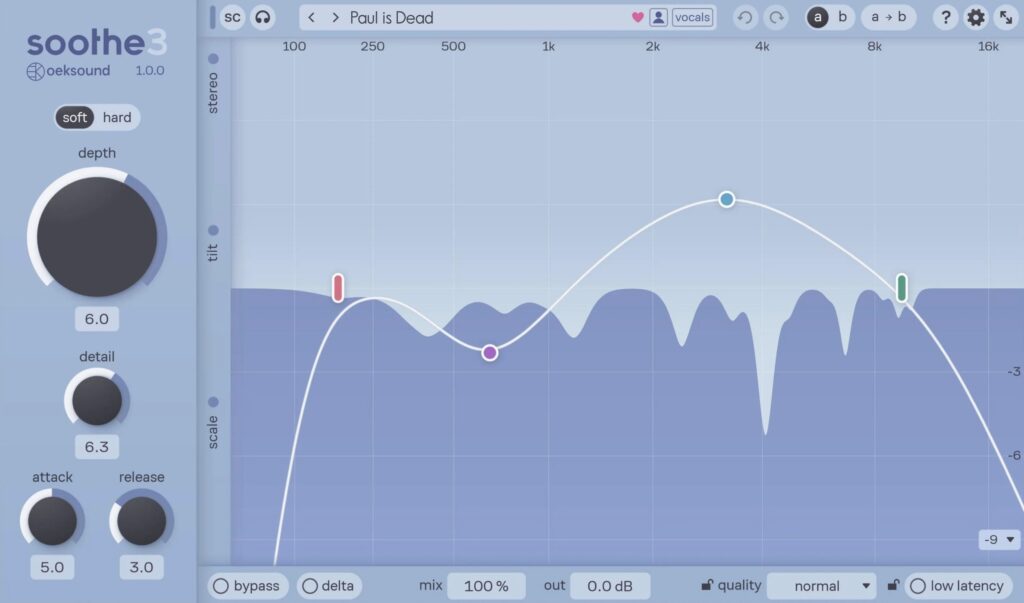
soothe3 has become one of the go-to plugins for managing harsh frequencies in a mix. Just be careful to not overuse the effect, as it can make tracks sound lifeless (much like the original Paul McCartney).
Steven Slate Trigger
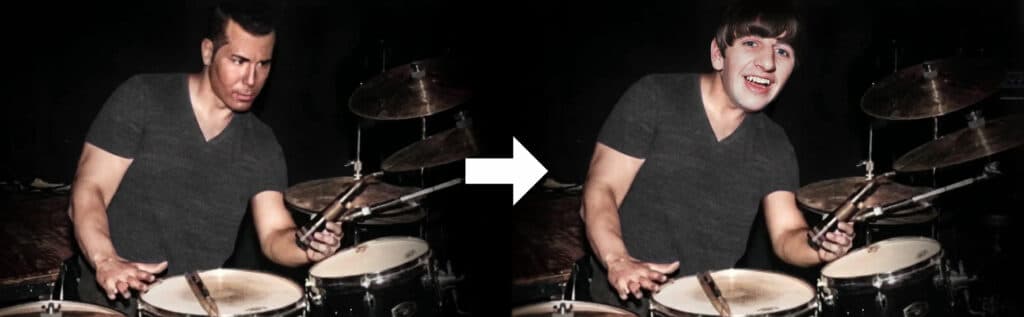
A supremely useful tool for augmenting and even replacing weak-sounding drums, Slate Trigger works by identifying transient information and placing samples beneath those transients with impressive accuracy. While it would be interesting to hear Ringo’s drums replaced with many of the badass kits that come with Trigger, it didn’t exist during the Liverpudlians’ epic rise to stardom in the 1960s. The Trigger-less Beatles have gone on to sell over 600 million records worldwide, so maybe hold off on further cluttering your already bloated plugins folder by purchasing it.
Soundtoys Decapitator
The Beatles started as a boy band of sorts, with squeaky-clean songs like “I Want To Hold Your Hand” aimed at the teen market. As they evolved, however, the English quartet achieved some of the most gnarly tones that had ever been recorded. From the screaming lead on “Taxman” to the distorted vocals on “I Am The Walrus,” The Beatles definitely made good use of saturation. Speaking of, Decapitator from Soundtoys gives producers a plethora of saturation options, from preamp, to tape, to tube, and beyond. I’m sure John Lennon would’ve loved Decapitator, but there’s no way of knowing, sadly. No use in buying Decapitator, as versatile, fun, and inspiring as it may be.
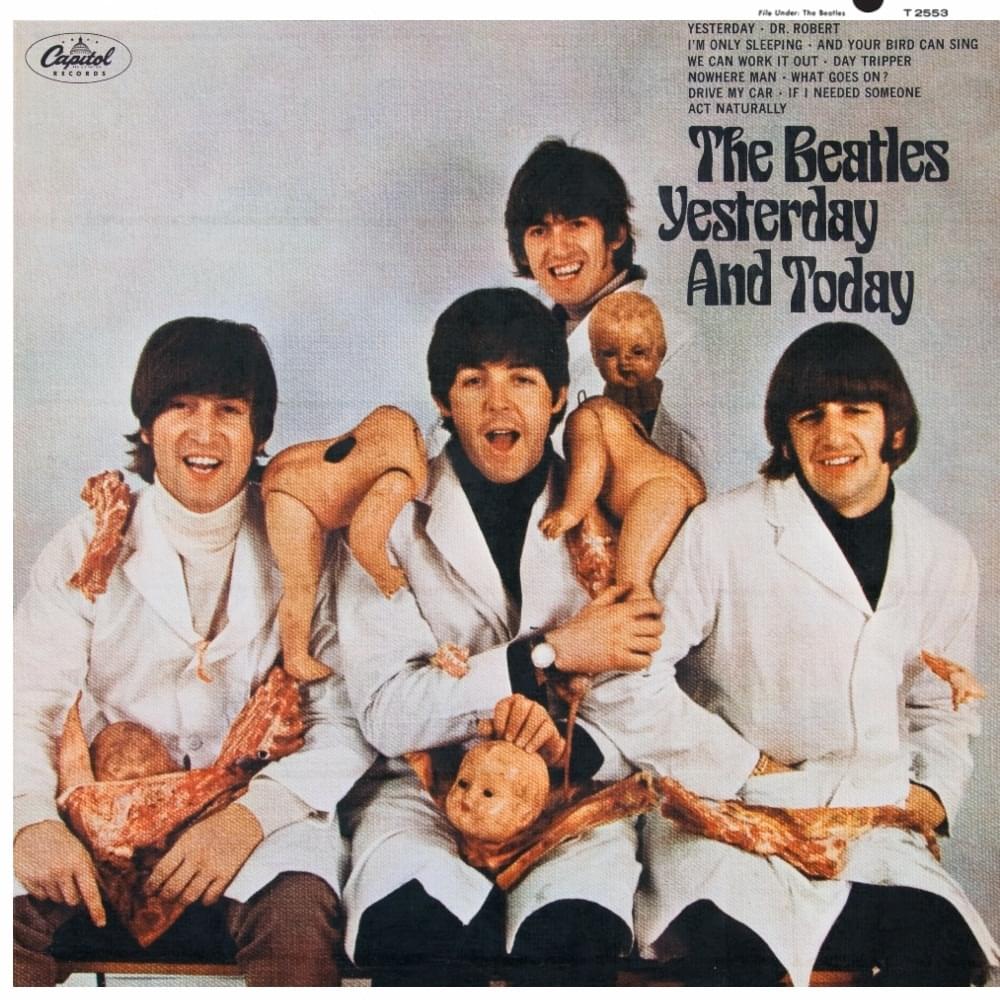
Here we see The Beatles pictured with headless dolls on the controversial cover of ‘Yesterday and Today’. How they were decapitated, we do not know, but it was not accomplished using Soundtoys Decapitator.
Waves Abbey Road Chambers
Modeled after the sound of the sought-after chamber reverb used on countless Beatles recordings, Waves Abbey Road Chambers is a stunning replica of this lush-sounding space. That said, this plugin didn’t come out until 2018, well after the Beatles broke up, citing artistic differences. If they were able to string together a record-setting run of 20 Billboard #1 singles without this (admittedly) meticulously modeled reverb plugin, maybe you are better off saving your hard-earned cash.

It’s a shame Waves Abbey Road Chambers didn’t exist in the 1960s, as the plugin most certainly doesn’t smell as bad as the actual room.
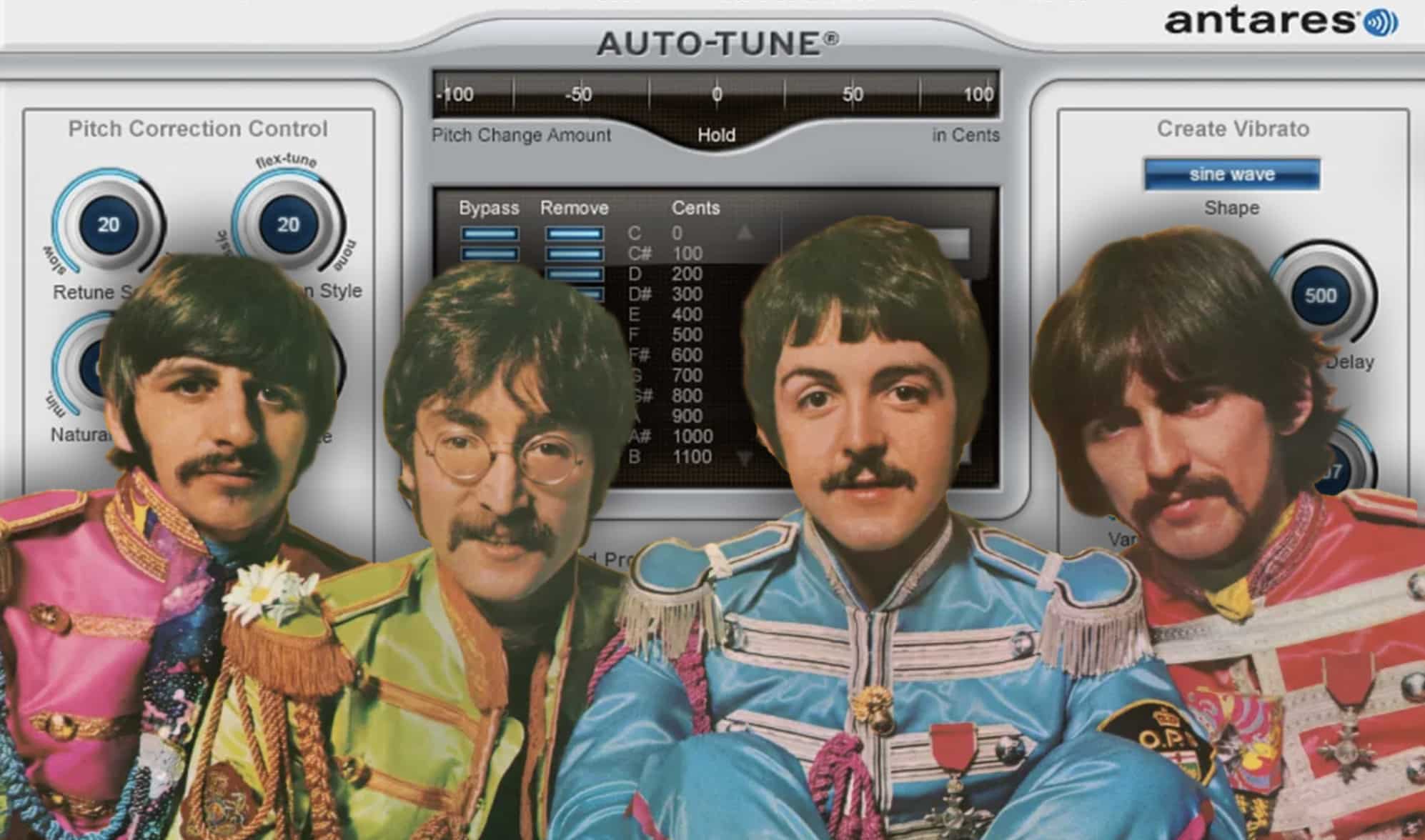
Antares Auto-Tune
Designed by Scientist-turned-software-developer Dr. Andy Hildebrand, Auto-Tune became one of the most influential plugins of all time, utilized by artists including Cher and T-Pain, as well as inspiring thousands of boomers to post “just get singing lessons” on Facebook when someone asks “thoughts on Autotune?”
John Lennon famously hated the sound of his own voice, so it’s a shame he never got to hear it fixed via this miraculous plugin. Truth be told, though, if he was able to anchor one of the most impressive runs in pop music history without it, your money is likely better spent elsewhere. Perhaps on singing lessons.
ABOUT THE AUTHOR
Ian Vargo is a Music Producer, Mix & Mastering Engineer, and Multi-Instrumentalist whose work has been heard on broadcast television, nationally televised ad campaigns, award-winning films, and viral web content amassing over 30 million views. His credits include projects for Disney | ABC, Intel, MSNBC, Airbnb, EA Games, and many more.
With over 20 years of experience in the studio, Ian has contributed to major label releases (Capitol, EMI, Fueled by Ramen, Universal, Interscope, Hollywood Records) as well as acclaimed independent projects. His passion lies in helping artists translate their creative vision into professional, release-ready recordings that stand out in today’s music landscape. He also is a fan of humor and satire, both of which were used during the creation of this article.
Interested in working together? Reach out at ianvargo@gmail.com if you need mixing or mastering for your next project.